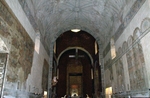
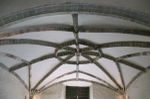
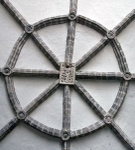
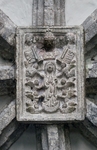
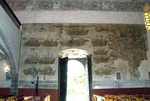
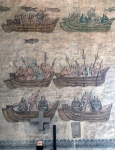
Nuestra Señora de La Asunción (Catedral), nave & murals
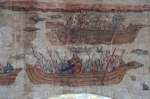
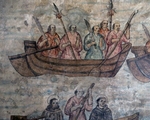
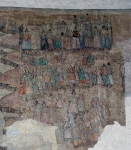
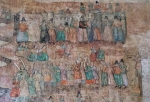
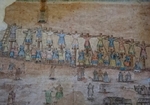
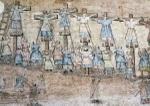
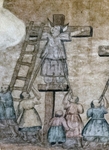
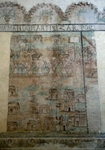
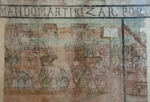
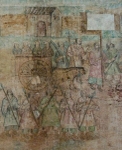
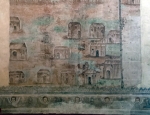
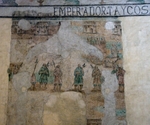
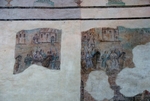
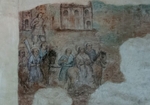
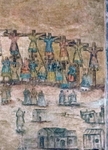
The nave murals are considered to be among the last great monastic murals of the 16th century. However, on page 534 of her 2011 publication Muros, sargas y papeles: Imágenes de los sagrado y lo profano en el sarte novohispano del siglo XVI Elena Isabel Estrada de Gerlero states that, "according to studies carried out by Leticia Arróniz, it is posible the different passages of the pictorial cycle directly derive from the Historia de las islas del Archipiélago Filipino y reinos de la Gran China, Tartaria, Cochinchina, Malaca, Siam, Cambodge y Japón, written a few years after the martyrdom" (personal translation) by the discalced Franciscan fray Marcelo de Ribadeneira. By 1594 de Ribadeneira was in Japan but and escaped after the execution of Felipe de Jesús and his companions, making his way back to Spain via Macao and Manila. His chronicles were pubsihed in Barcelona in 1601, just as he had departed for Rome to advocate for the beatification of the Nagasaki martyrs. De Gerlero's comment is convincing, proven by close correlations between the murals and de Ribadeneira's text. Hence, the cycle may well have been executed in the early years of the 1600s, and certainly represents one of the very few monastic church naves to have preserved its early murals.